 Business License

The Unsung Hero of Exterior Wall Waterproofing: What Is Silicone Weatherproof Sealant & How to Choose It Without Pitfalls
The Unsung Hero of Exterior Wall Waterproofing: What Is Silicone Weatherproof Sealant & How to Choose It Without Pitfalls
Many people, when renovating, installing curtain walls or sunrooms, only focus on glass, aluminum profiles and stone materials, ignoring the inconspicuous sealant in the joints.
Water leakage on exterior walls, yellowing and cracking of sealant joints, and water seepage in sunrooms after several years are most likely not caused by defective main materials, but wrong sealant selection. Silicone weatherproof sealant is the core material for waterproofing and anti-aging sealing of outdoor joints.
1. What is Silicone Weatherproof Sealant?
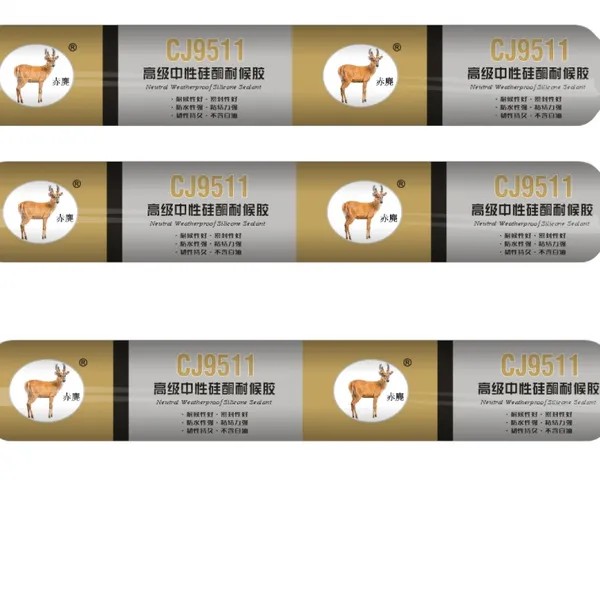
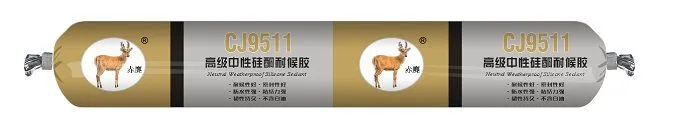
Silicone weatherproof sealant, full name neutral silicone weatherproof sealant, is mostly a one-component, neutral-curing product. It cures gradually by absorbing moisture from the air and finally forms an elastic rubber mass. Its molecular backbone consists of Si-O-Si siloxane bonds with high bond energy, which inherently delivers excellent UV resistance and aging resistance.
It has a clear positioning: for joint filling and sealing, NOT for load-bearing. In short: structural sealant is for "firm bonding and load bearing", while weatherproof sealant is for "waterproof sealing and accommodating thermal expansion and contraction".
✅ Applicable Standard: GB/T 14683 Silicone Building Sealants. Make sure to check this standard when purchasing. Type GW is suitable for long-term outdoor exposure under sunlight.
2. Core Advantages of Silicone Weatherproof Sealant
Excellent weather resistance, resistant to deterioration under sun and rainIt resists ultraviolet rays and ozone, and is not prone to powdering, cracking or discoloration after long-term outdoor exposure. It maintains good elasticity within a wide temperature range of approximately -50℃ to 150℃ after curing, adapting to scorching summers in southern regions and frigid winters in northern regions.
Superior elasticity to follow the expansion and contraction of building materialsThis refers to the movement capability classified as 20/25/35/50 grade in the industry. Glass, aluminum panels and stone on exterior walls expand and contract with seasonal temperature changes, resulting in constantly varying joint widths. With its elasticity, weatherproof sealant deforms synchronously without easy rupture, fundamentally reducing risks of water seepage and cracking.
Grade 20: Conventional exterior joints of doors and windows
Grade 25: Sunrooms and small-scale curtain walls
Grade 35 & 50: Large glass curtain walls, aluminum panel curtain walls and joints with large deformation
Neutral curing, no corrosion or staining to building materialsUnlike acidic glass sealant which is corrosive, neutral formula causes almost no corrosion to aluminum profiles, coated glass, stone and metals, greatly lowering the risk of oil bleeding and dark staining on stone surfaces.
Easy application and wide compatibilityAs a one-component product, it can be loaded directly into a sealant gun without on-site mixing. It adheres well to most building substrates such as glass, aluminum alloy, stone and concrete. Priming is unnecessary under most working conditions.
3. Common Application Scenarios
✅ Suitable Applications
Sealing and waterproofing for joints of glass curtain walls, aluminum panel curtain walls and stone curtain walls
Exterior joints between door/window frames and walls
Joint sealing of glass in sunrooms and daylight roofs
Exterior expansion joints, decorative panel joints and canopy joints
❌ Unsuitable Applications (Common Pitfalls)
Shall not be used as structural sealant for load-bearing glass bonding or glass fixing
Not for areas with continuous long-term water immersion (e.g. pools, fish tanks)
Not for frosty, persistently damp wood with oil exudation, or some rubber surfaces
Not for food-contact areas, pure wear-bearing surfaces or joints requiring fire-resistant sealing
4. Frequent Misconception: Weatherproof Sealant ≠ Structural Sealant. Do Not Mix Them Up
| Item | Silicone Weatherproof Sealant | Silicone Structural Sealant |
|---|---|---|
| Core Function | Joint filling, waterproof sealing, deformation accommodation | Structural bonding, load bearing |
| Applicable Standard | GB/T 14683 | GB 16776 |
| Performance Feature | Low modulus, elasticity prioritized | High strength for tension load transfer |
| Load-bearing Capacity | ❌ Non-load-bearing | ✅ For load-bearing bonding of curtain wall glass |
Many construction workers and renovators take shortcuts. Some use structural sealant for all joints, while others apply indoor general glass sealant on exterior walls. Ordinary indoor glass sealant has no UV-resistant formula; it may harden, crack and leak within roughly one year. Structural sealant has relatively poor elasticity and tends to crack under the thermal expansion and contraction of panels, which also leads to water leakage.
5. Buying & Construction Guide to Avoid Pitfalls
✅ Purchase Tips
Look for standard GB/T 14683; choose Type GW for outdoor use;
Select movement grade according to joint deformation: Grade 20 or 25 works for doors and windows; Grade 25 or above is recommended for sunrooms and curtain walls;
Prefer reputable official brands and ask for product test reports. Low-cost inferior sealants are heavily filled with white oil. They look fine at first but will shrink, darken and leak in 1–2 years;
Color selection: Black weatherproof sealant has the best aging resistance. White and grey offer better appearance. Under the same formula, black delivers more stable weathering performance.
✅ Key Construction Points (Directly Determine Service Life)
Substrate surfaces must be dry and clean, free of dust and oil. Applying sealant on damp bases easily causes debonding and failure;
Suitable construction temperature ranges from -5℃ to 40℃. Construction is forbidden on frosty or rainy days;
Reserve proper joint width and install backer rod (foam rod). Do not fill the joint solidly. The recommended width-to-depth ratio of joints is 2:1;
Smooth and trim the sealant immediately after application. Prevent rain wash before skin formation;
For stone, coated glass and some special aluminum profiles, carry out compatibility test before construction to avoid staining, corrosion and debonding.
6. Conclusion
The waterproof system of a building exterior wall consists not only of waterproof membranes and coatings. Every sealed joint of weatherproof sealant forms a flexible waterproof barrier.
Choose mildew-resistant sealant for indoor kitchens and bathrooms; choose structural silicone sealant for load-bearing bonding. Silicone weatherproof sealant is designed for outdoor joints exposed to sunlight and requiring accommodation of thermal expansion and contraction.
With proper grade selection and standardized construction, qualified weatherproof sealant can serve stably for more than 20 years. Improper selection often results in water seepage, cracking and darkening within 3–5 years, bringing high maintenance costs later.
💡 Tip: For sunrooms and exterior joints of floor-to-ceiling windows in home projects, directly select neutral silicone weatherproof sealant of Grade 25 or above. Do not use cheap ordinary transparent glass sealant!
Recently Posted
-
The Invisible Line of Building Fire Protection: What Is Fire-Retardant Sealant & How to Choose It Compliantly
October 22, 2026The Invisible Line of Building Fire Protection: What Is Fire-Retardant Sealant & How to Choose It CompliantlyWhen undertaking Read More
-
Silicone Structural Sealant: Inside That Tube Is the Curtain Wall’s Safety Bottom Line
October 22, 2026Silicone Structural Sealant: Inside That Tube Is the Curtain Wall’s Safety Bottom Line When a glass curtain wall building is Read More